You walk out of a meeting, a get-together, or a difficult conversation, and it’s not until hours later that you realize exactly what you wanted to say. At the time, you didn’t say anything. Maybe you even laughed along. And then that one question lingers: how do you respond to sexism in the workplace without having to wait until afterward to find the right words?
This happens to smart, highly educated women with impressive careers. Women who lead, set strategy, and keep organizations running. And yet it still happens—in boardrooms, at office parties, in text messages, and during business trips. Sometimes subtly disguised as humor, sometimes shamelessly explicit.
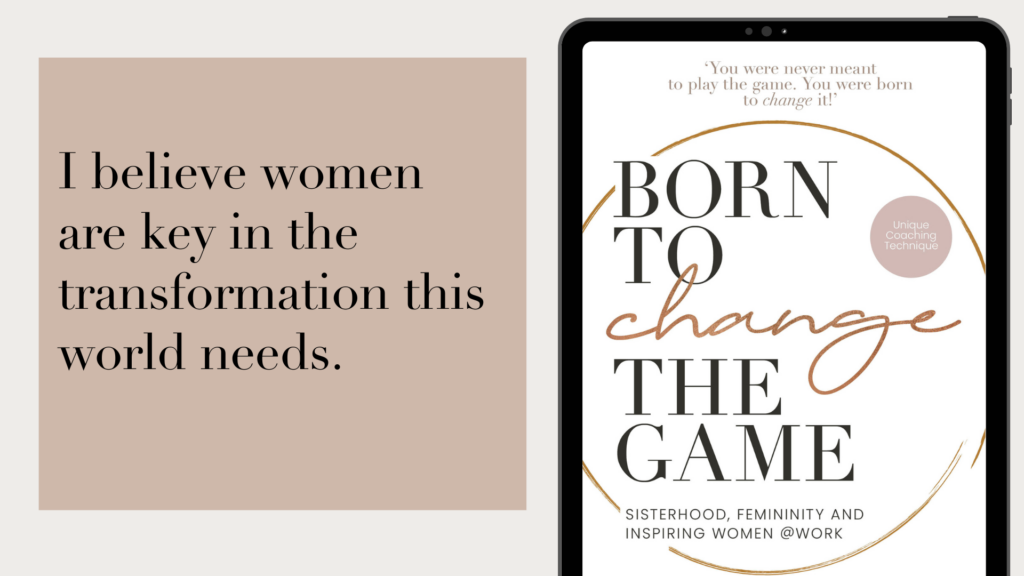
I wrote this ebook for all the women who only realize after the fact what they wish they had said. Download it below, so you’ll have something to fall back on when it happens again.
Why You Don’t Say Anything in the Moment
Many women think they should have reacted faster and more cleverly. But that’s not how your nervous system works. When faced with inappropriate behavior, your body’s first priority is safety—not strategy or a witty one-liner. In a fraction of a second, it assesses whether you’re actually safe in that situation.
Even if you’ve been practicing a martial art for years, you can freeze up when someone suddenly says something that sets off all your alarm bells. It’s not until hours later that the thought occurs to you: Why didn’t I say anything?
It’s not your fault. For centuries, sexism has taught women to doubt themselves first. Was I clear enough? Did he really mean that? Am I overreacting? And yet, the responsibility to speak up still falls, with striking frequency, on the woman who’s the victim.
Why Female Leaders Are More Often Targeted
Many people think that power protects women from sexism. Reality often shows the opposite to be true. As soon as women gain visible influence, resistance arises.
Our research confirms this picture. Women in leadership positions experience sexism significantly more often than women without leadership roles. They face challenges not only from their bosses, but also from peers, clients, and shareholders who try to undermine their position. This is no coincidence. Patriarchal systems react defensively to women who assert their power.
And so you see women who are constantly interrupted and who have to work harder to prove that they are competent. The impact of this is vastly underestimated.
In this ebook, you’ll learn why power doesn’t protect women from sexism—it actually makes them a target. Download it for free.
What to Say in the Moment
You don’t need to have a perfect speech prepared. In fact, the calmer and briefer your response, the more powerful the effect often is. The goal isn’t to be liked, but to shed light on what’s happening and hold the right people accountable.
Your response carries much more weight when you don’t just take the comment personally. You rise above it the moment you point out what’s really going on. So instead of saying, “I feel uncomfortable,” say something like, “Comments like this make the workplace unsafe for women.”
That’s leadership. You’re no longer defending yourself as an individual, but rather highlighting the culture that’s actually at play here.
Do you want to know exactly what to say in every situation? In the e-book contains specific responses to comments that my clients have actually received. During our coaching sessions, we explored together what an appropriate response might be. No perfect one-liners and no media training—just words that help you take yourself seriously. Download it here.

The real problem lies in the culture
I once spoke with a CFO about one of his managers. Several women had reported that they felt uncomfortable around him. He got too close. He touched them and made suggestive comments. The CFO listened to me and then said, “It’s not my role to confront him about that.”
I didn’t agree with that. Because that *is* his role.
Leaders shape the culture. By permitting certain behaviors among its leaders, an organization effectively permits those behaviors throughout the entire organization. Executives are responsible for the culture they create and for the standards they set—as well as for the behaviors they do or do not accept.
So I was clear. “It is indeed your responsibility to address his behavior. In fact, when you, as a director, turn a blind eye while employees consistently feel unsafe and have raised this issue multiple times, you’re not only letting people down, but you’re also taking on management risks. In serious cases, failing to intervene can even be a factor in assessing whether a manager has properly fulfilled his or her responsibilities.”
Afterward, I got a message from him. “Thanks for being so clear.”
That’s exactly what it’s all about. Culture doesn’t change because of a reporting channel or a new protocol. Or as I often say: culture is determined by what the boss allows. As long as leaders turn a blind eye, the status quo will simply persist. A safe culture can only emerge when leaders take action, colleagues hold each other accountable, women are believed, and top management visibly sets standards.
You don’t have to figure this out on your own
Many women think they have to solve this on their own. That they need to become stronger and more resilient—and, above all, less sensitive. But sexism isn’t an individual problem. It’s a cultural problem, and you can never change culture on your own.
That’s why I believe so strongly in what I call “sisterhood”—women who take each other seriously, protect one another, and help each other gain visibility. Because for years, women have been pitted against one another, as there often seemed to be room for only one woman at the table.
Something fundamental changes as soon as women begin to share their experiences. The shame shifts from the woman who is going through it to the system that makes it possible.
Until that culture truly changes, I hope this ebook helps you reclaim something you’ve often lost along the way: your voice. Download it for free and keep it on hand.
Frequently Asked Questions
Why do I clam up when I hear a sexist comment at work?
That’s because when faced with inappropriate behavior, your body’s first response is to ensure safety, not to come up with a strategy. Freezing up is a normal reaction of your nervous system—not a sign of weakness. So the fact that you don’t find the right words until later isn’t your fault.
How can you respond forcefully to sexism without getting angry?
Keep your response calm and brief, because that often makes a stronger impression than an outburst. It’s most effective when you don’t take the comment personally, but instead frame it as a problem with the culture and power dynamics.
Do female leaders face sexism more often?
Yes. Our research shows that women in leadership positions experience sexism significantly more often than women who do not hold leadership roles. Visible influence provokes resistance, including from peers, customers, and shareholders.
Is sexism in the workplace a personal problem or a cultural one?
It is a cultural problem. A safe workplace is not created by a reporting hotline or training, but by what leaders tolerate. That is why the responsibility lies not only with women to raise these issues, but also with managers and executives. Social safety is an explicit management responsibility, and ignoring warning signs can, in certain cases, even contribute to directors’ liability or serious governance issues.